
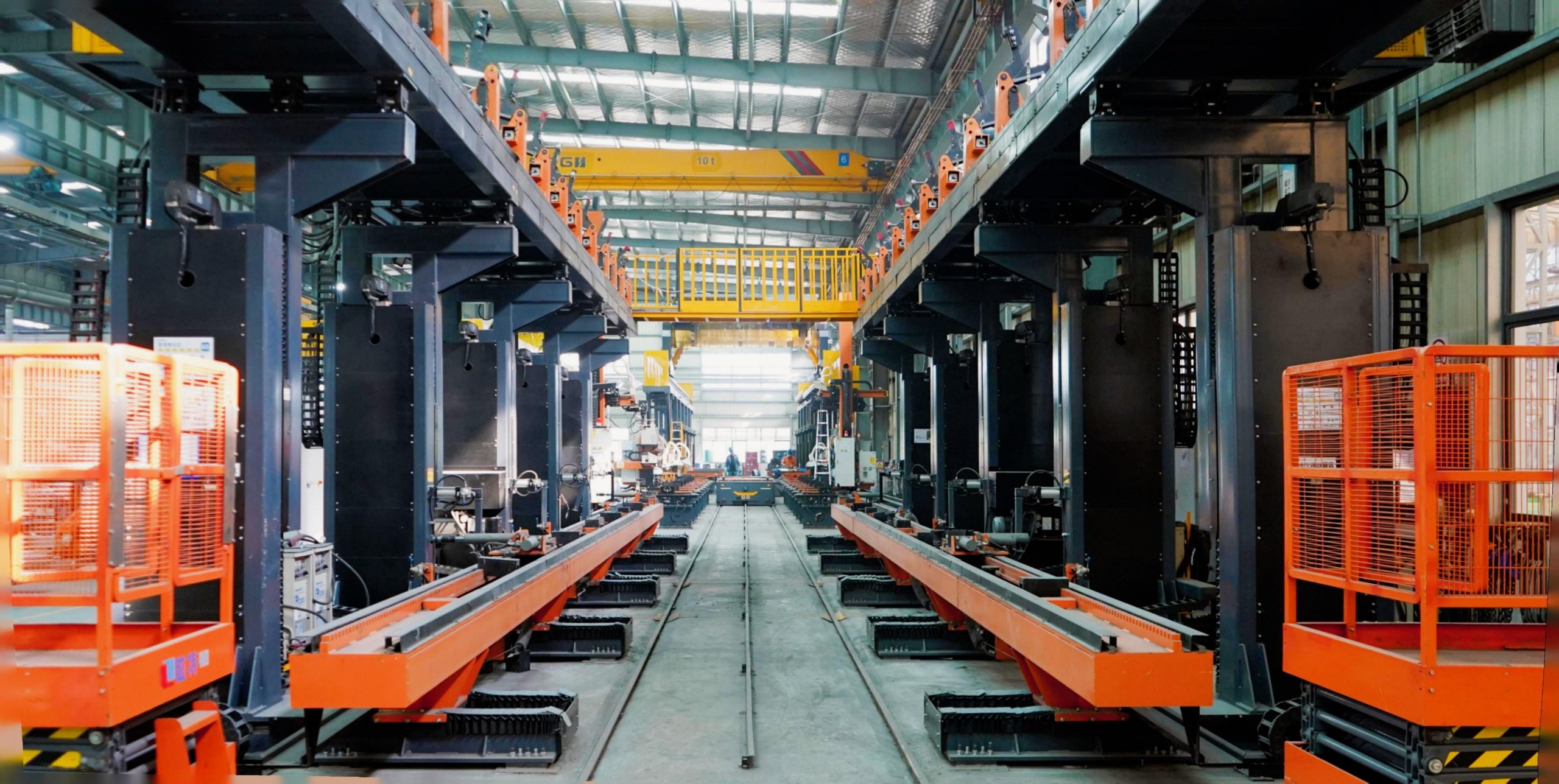
Quick answer: A prefabricated modular data center is a facility built from standardized, factory-assembled building blocks — modules for IT, power, cooling, and backup generation — that are manufactured and tested off-site, then shipped and connected on location. The approach cuts deployment time, improves quality control, and lets operators scale capacity in repeatable increments.
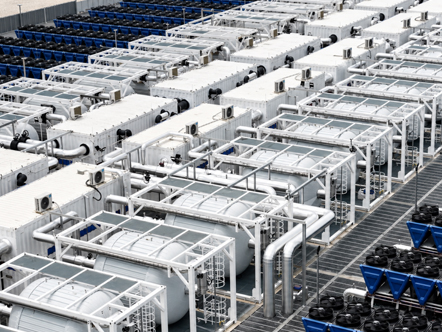
Demand for data center capacity is rising faster than the industry can build it the traditional way. AI, cloud, and edge workloads all need infrastructure online in months, not years — and that pressure has pushed a different construction model into the mainstream. Understanding what a modular data center is, and why “prefabricated” matters, is the starting point for anyone weighing how to deploy capacity quickly and predictably.
What “prefabricated” and “modular” actually mean
The two words describe two related ideas.
Modular means the data center is composed of standardized, self-contained building blocks rather than one monolithic, custom-built structure. Each block performs a defined function and connects to the others through standardized interfaces.
Prefabricated means those blocks are manufactured and assembled in a factory — not constructed piece by piece on the customer’s site. The modules arrive largely complete and pre-tested, ready to be positioned and connected.
Put together, a prefabricated modular data center (sometimes shortened to PFM data center or MDC) is a facility delivered as a kit of factory-built, repeatable parts. It is the difference between assembling a building on-site from raw materials and clicking together components that were already built and verified in controlled conditions.
The building blocks: the core modules
Most prefabricated data centers are assembled from a handful of module types, each handling one job:
- IT module — the white space that houses server racks, the compute and storage that actually run workloads.
- Power module — transforms, distributes, and protects incoming electrical supply, including UPS systems for clean, uninterrupted power.
- Cooling module — removes the heat the IT equipment generates, increasingly using liquid cooling for high-density AI racks.
- Genset module — backup generation that keeps the facility running through a grid outage.
Because each module is standardized, operators can combine them in different quantities and configurations to match a specific capacity target, then add more later as demand grows.
How a prefabricated data center is built
The defining feature of the model is where the work happens. In a traditional build, electrical, mechanical, and structural trades all converge on the construction site, often working in sequence and weather-permitting. In the prefabricated model, the modules are built on a factory production line, wired, fitted, and crucially tested before they ever leave through a process called factory acceptance testing (FAT).
By the time a module reaches the site, the vast majority of its assembly and verification is already done. On-site work is reduced to positioning the modules, making the connections between them, and final commissioning. The result is faster deployment, fewer surprises in the field, and the consistent quality that comes from building in a controlled environment rather than an open construction site.
Why operators choose prefabrication
The appeal of the modular data center meaning comes down to four practical advantages:
- Speed. Factory pre-assembly and testing can compress deployment timelines dramatically compared with conventional construction, helping operators bring compute online far sooner.
- Quality and predictability. Building in a factory means repeatable processes, tighter tolerances, and problems caught before delivery rather than during installation.
- Scalability. Because capacity comes in standardized increments, operators can start small and add modules in phases — pacing investment against actual demand.
- Flexibility of location. Modules can be deployed where capacity is needed, including space-constrained or remote sites that wouldn’t suit a large traditional build.
Is a prefabricated data center the same as a container?
This is a common point of confusion. A containerized data center — built inside a standard shipping container — is one form of prefabricated modular data center, but not the only one. Prefabrication also includes skid-mounted modules and larger purpose-built modules that don’t use a container shell at all. The container is a packaging choice; prefabrication is the underlying build philosophy of manufacturing and testing off-site. So every containerized data center is prefabricated, but not every prefabricated data center is a container. The key takeaway is that “modular” describes how the facility is composed and delivered, not a single physical shape.
Where prefabricated data centers fit
The model suits any situation where speed, consistency, or phased growth matters. That increasingly means AI deployments, where capacity demand outstrips the pace of conventional construction; edge sites, where compact, rapidly deployable infrastructure brings computing closer to users; and hyperscale expansion, where operators roll out repeatable capacity blocks across many locations. In each case, the ability to manufacture, test, and ship a known-good building block is what makes growth manageable.
A faster, more predictable path to capacity
A prefabricated modular data center reframes construction as manufacturing: standardized, factory-built, pre-tested modules that arrive ready to connect. For organisations racing to deploy AI and cloud capacity, that shift from slow, custom construction to fast, repeatable assembly is often the difference between meeting demand and missing it.
To explore further, see EPG’s Edge Computing and prefabricated data center solutions, or look closer at the IT Module that forms the compute core of a modular build.