
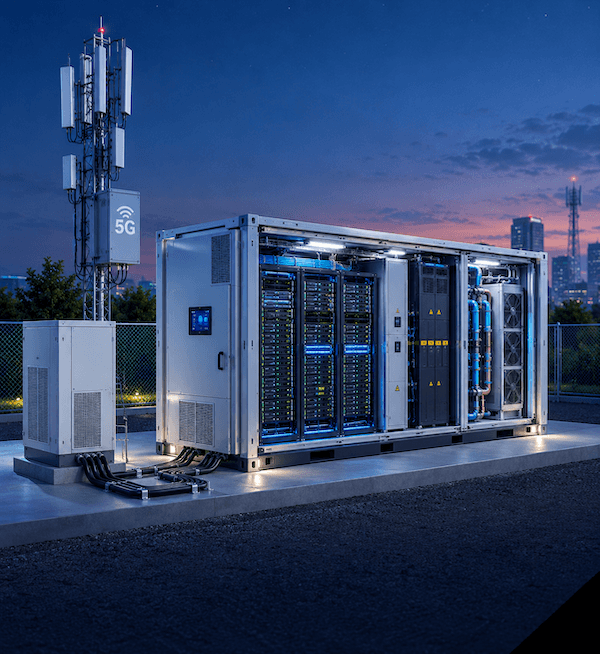
Quick answer: Modular data center construction moves defined portions of assembly and integration into a factory, allowing some work to proceed alongside site preparation. This can improve schedule and cost predictability. Traditional construction offers flexibility for site-specific requirements. The right choice depends on the project scope, logistics, design maturity and expansion plan, and may combine both approaches.
When comparing modular vs traditional data center construction, the most useful starting point is the work that must be delivered. Two proposals cannot be compared fairly if one includes power, cooling and commissioning while the other covers only the building or equipment supply.
For owners, the decision affects when capacity becomes operational, how delivery risks are allocated and how easily the facility can expand. A credible comparison should follow those outcomes through the full project programme.
Define the scope of prefabrication
A prefabricated data center can include complete functional modules or selected subsystems assembled before shipment. It does not have to be a stand-alone container. EPG’s IDC architecture includes modular systems for IT, power and cooling, alongside multi-floor and hybrid configurations. EPG IDC Solution
Traditional construction generally involves more assembly and coordination at the project site. It can still incorporate factory-built equipment and packaged systems. The distinction is therefore the extent of prefabrication and integration, rather than a strict division between factory work and site work.
Document the scope boundaries first. Identify who provides the foundations, external services, module connections, controls integration and final testing so that both delivery options include the same obligations.
Compare the route to operational capacity
Modular construction can shorten a programme when factory production overlaps with civil works and site preparation. Repeated designs can also reduce the amount of engineering and installation work required for each subsequent module.
Schneider Electric’s July 2026 discussion of modular AI infrastructure identifies faster deployment as a benefit of prefabricated systems. The saving on an individual project still depends on how much work is moved off site and which activities determine the completion date. Schneider Electric on modular AI deployment
For example, earlier module completion will not advance IT handover if the utility connection remains the last outstanding dependency. Shipping, access and commissioning must be included in the schedule alongside manufacturing.
Ask each delivery team to show the route from design approval to tested, energized capacity. A shorter installation window is valuable, but it is only one part of that programme.
Distinguish cost predictability from lowest cost
A stable module design can make quantities, assembly work and interfaces easier to price. That predictability is useful when capacity will be delivered in repeated phases. It also depends on making key decisions before production starts.
Late changes to rack density, electrical equipment or coolant connections can require factory rework or changes to completed site infrastructure. Early coordination remains essential in a modular project.
Evaluate both approaches against the same capacity, resilience requirements and cooling scope. Include transport, lifting, local site works, testing and the cost of future expansion. A lower equipment price may be offset by additional integration work, while a higher initial price may include work excluded from another proposal.
The commercial comparison should make these differences visible before contract award.

Build quality into manufacturing and commissioning
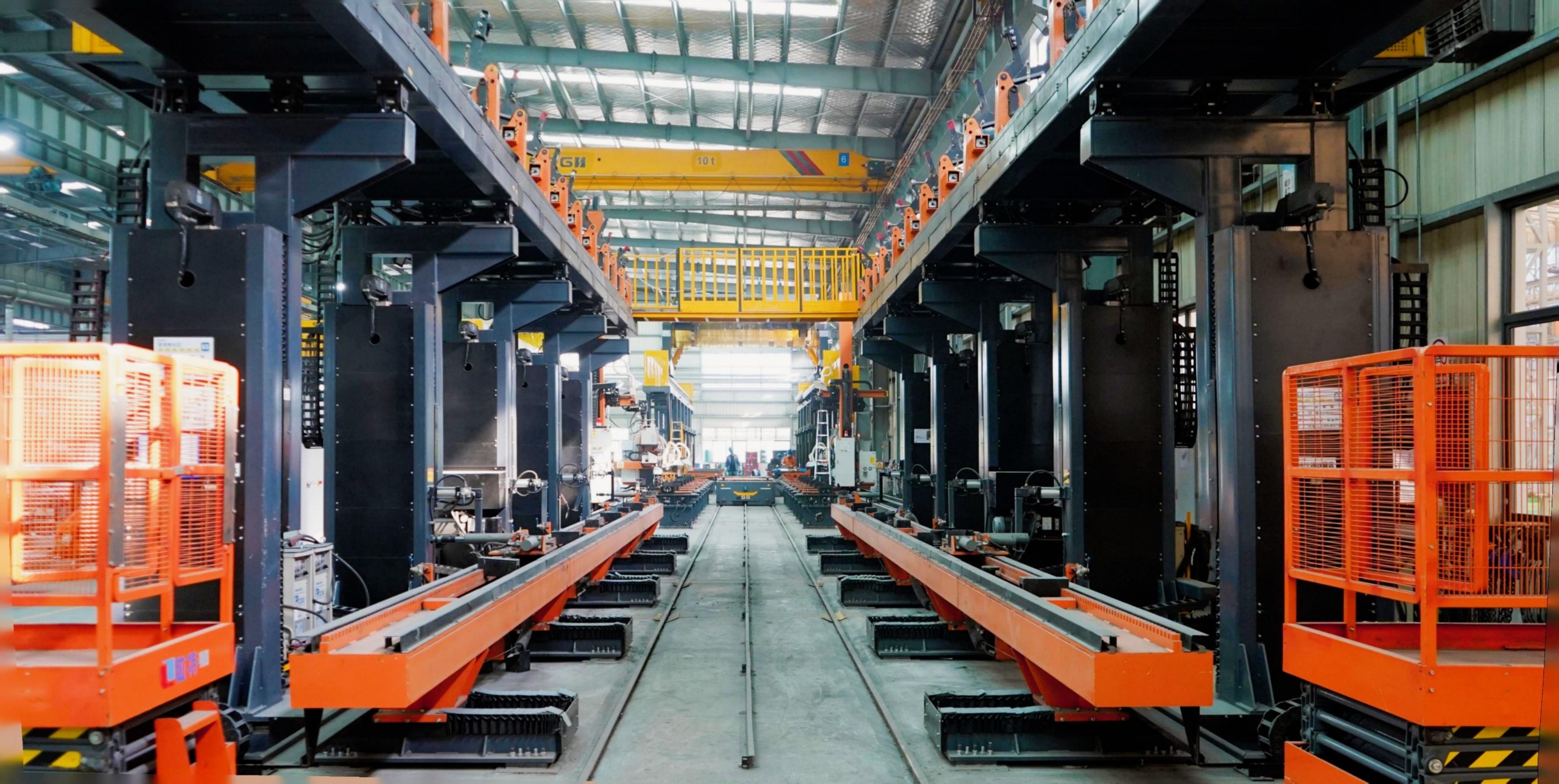
Factory assembly provides a controlled setting for repeatable work and documented checks. EPG identifies manufacturing consistency and defined processes as advantages of its prefabricated approach. EPG factory manufacturing approach
Acceptance testing should establish what has been demonstrated before shipment and what remains to be proven after installation. A factory test may verify the operation of a module, but the completed facility must also demonstrate how that module interacts with its actual power supply, controls and cooling connections.
This makes the quality plan as important as the production location. Specify inspection records, test responsibilities and acceptance criteria. After delivery, check for transport damage and complete the required site and integrated-system tests before handover.
Assess site constraints before selecting modules
Transport routes and installation access can influence the practical size and arrangement of a module. The project team should confirm delivery restrictions, lifting access, structural loads and space for future equipment replacement.
Conventional construction may suit a constrained building or a highly customized layout where large assemblies are difficult to deliver. A hybrid approach can place prefabricated power or cooling systems beside a conventional data hall. EPG includes this type of deployment within its IDC offering. EPG hybrid deployment options
AI requirements also belong in the early brief. Rack loads, coolant distribution and heat rejection must be coordinated with the structure and electrical design. Explore EPG’s Cooling Solution when establishing these interfaces.
Compare expansion as well as the first build
A modular approach can support repeated additions, provided the original layout reserves suitable connections, access and supporting capacity. Simply leaving space for another module does not establish that the site can power and cool it.
Use the following questions to evaluate a proposal:
Which activities run in parallel, and which determine the handover date?
What scope and costs sit outside the module supply contract?
Which tests happen in the factory, and which require the completed site?
How will the next phase connect while existing capacity remains operational?
What design changes are possible after manufacturing begins?
These answers provide a stronger basis for selection than a universal speed or cost percentage. For AI projects, review the expansion plan against the hardware and thermal requirements through EPG’s AIDC Solution.
EPG’s IDC Solution provides prefabricated and hybrid configurations for different building conditions. Explore the options to align your construction approach with the required capacity, delivery programme and long-term operating plan.