
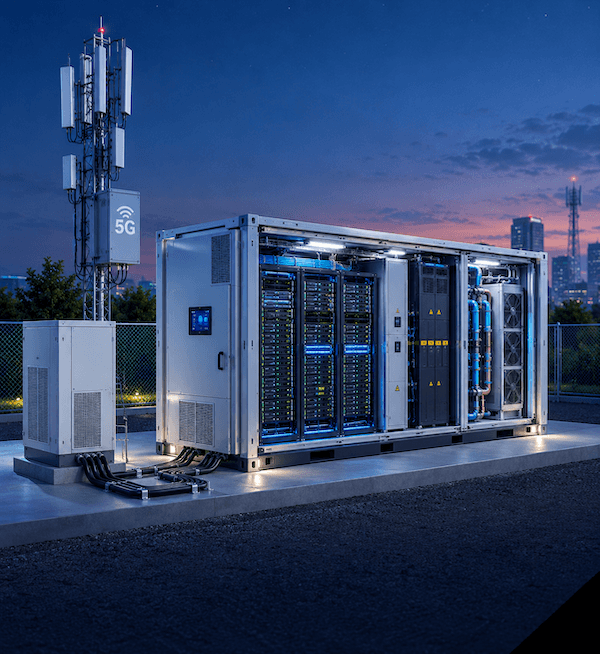
Category: Modular Data Centers

  • Containerized vs Skid-Based vs Prefab Modules: Choosing a Form Factor

    Containerized vs Skid-Based vs Prefab Modules: Choosing a Form Factor

    Quick answer: Containerized systems package equipment within an enclosure; skids assemble connected equipment on a supporting frame; larger prefabricated modules can form functional spaces or building sections. These categories overlap. Choose a form factor by defining the equipment scope, site conditions, transport constraints and maintenance needs—not by assuming that every modular data center is a shipping container.
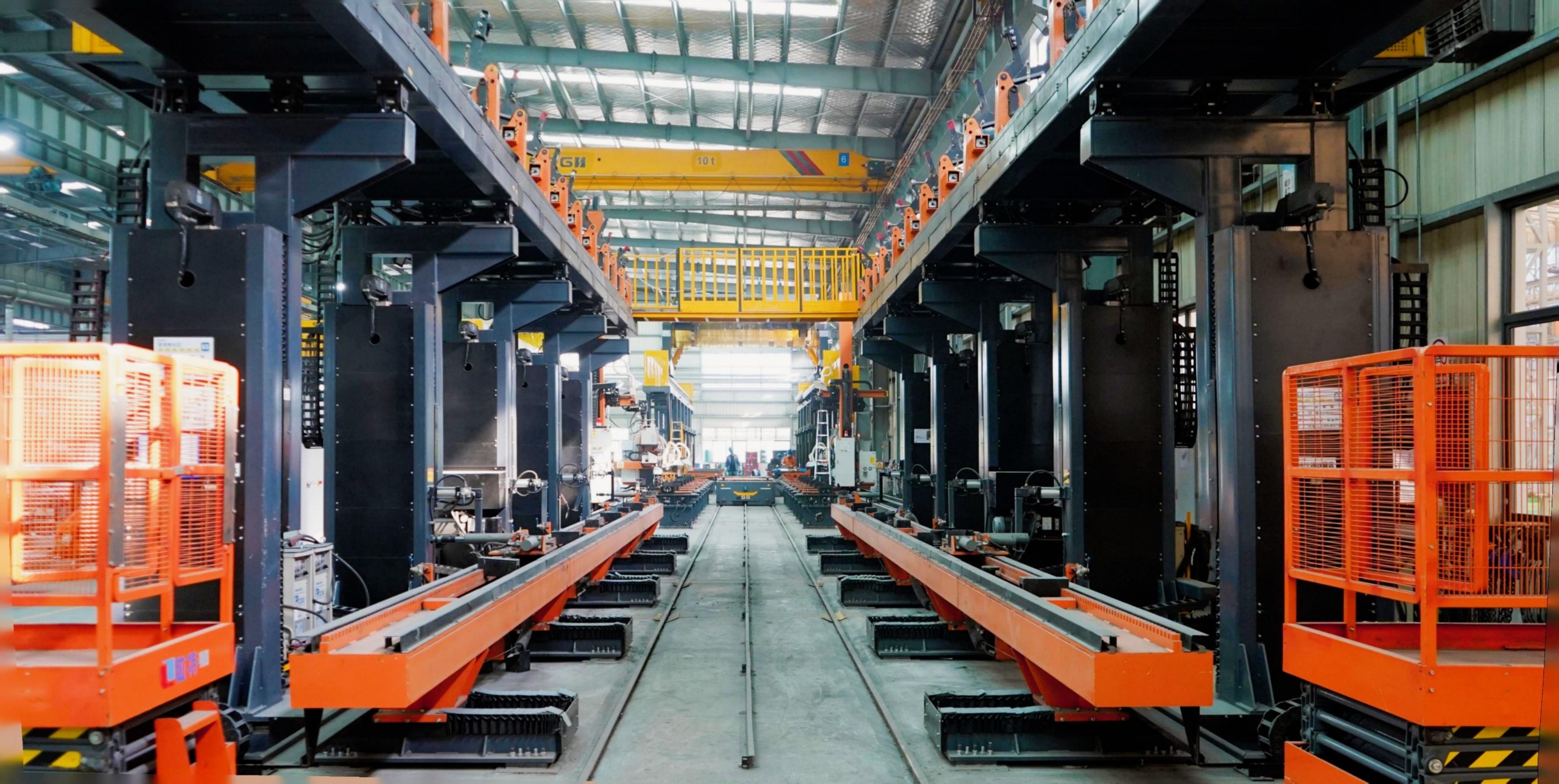
    Factory production line for modular data center structures

    A modular proposal can describe very different products. One supplier may offer an enclosed IT space, another a power skid, and another an integrated group of building modules. Comparing their prices or delivery schedules without understanding those boundaries can hide substantial differences in the work left to complete on site.

    Separate form factor from function

    Form factor describes how equipment is packaged and delivered. Function describes what the assembly does: power distribution, IT accommodation, cooling or another service. A power system and an IT space can both be prefabricated while having very different installation requirements.

    Ask each bidder to identify the enclosure, equipment, internal connections, controls and testing included in its package. Establish what the receiving building or site must provide. This makes the comparison more useful than relying on product labels alone.

    EPG’s IDC Solution offersfunctional modules that can be configured as PODs or skids, as well as hybrid deployment with conventional buildings. The selected project arrangement determines which functions are grouped together.

    Where containerized systems fit

    A containerized data center places equipment inside a transportable enclosure. The enclosure may be purpose-built rather than a converted freight container. Its suitability for outdoor installation, weather exposure and the required environment must be established from the actual specification.

    This form can be useful when the project benefits from a defined enclosed package. However, transportable does not mean ready to operate without site works. Foundations, utility connections, heat rejection, network access and local installation requirements still need to be coordinated.

    Review usable internal space after equipment and service clearances are accounted for. A compact package can simplify the footprint while limiting future equipment choices or maintenance movements. Confirm how large components will be removed and replaced after the unit is positioned.

    Where skids fit

    A skid groups equipment and connections on a supporting frame for delivery as an assembly. It can be a practical way to prefabricate a subsystem that will sit inside a building or another suitable enclosure. The skid itself should not be assumed to provide environmental protection.

    Power and cooling assemblies can be organized this way when the site provides the surrounding space and services. Ask which connections are completed at the factory and which remain field work. The benefit depends on the stability of those interfaces and the readiness of the receiving location.

    Check lifting points, transport protection and access to internal equipment. The installation team must understand whether the assembly arrives complete, requires reconnection after transport or needs additional components fitted on site.

    Where larger prefabricated modules fit

    Larger modules can provide functional spaces or parts of an integrated facility. They may be combined into a broader building arrangement rather than used as isolated containers. Their design should coordinate structural, electrical, mechanical and operational requirements.

    This approach can suit a project seeking repeatable building blocks across multiple phases. It also requires early attention to dimensional coordination, transport limits and on-site assembly. Repetition helps only when the selected module remains compatible with the intended sites and equipment.

    Prefabrication can also be selective. A conventional data hall may use prefabricated power or cooling systems without making the entire facility modular. Schneider Electric’s product range illustrates how prefabricated packages can cover distinct infrastructure functions. Prefabricated infrastructure examples

    Server racks and aisle infrastructure in a data center

    Compare the form factors

    Factor

    Containerized enclosure

    Equipment skid

    Larger prefab module

    Primary package

    Enclosed equipment space

    Connected subsystem on a frame

    Functional space or building section

    Receiving-site needs

    Foundations and external services

    Suitable room or protective enclosure

    Coordinated foundations and assembly interfaces

    Key access issue

    Internal working and removal space

    Access around and within the assembly

    Routes between connected modules

    Transport review

    Overall dimensions and weight

    Frame, equipment and lifting arrangement

    Delivery sequence and assembly tolerances

    Expansion question

    How additional units connect

    How subsystem capacity is added

    How new modules integrate with the facility

    Choose using a site-specific brief

    Start with the planned capacity and equipment configuration, then document the available land or building area. Include access routes, lifting constraints, structural conditions and service clearances. Compare options using the same operating and availability requirements.

    For example, an existing building with suitable equipment rooms may favor skids for selected systems. A site without an appropriate enclosure may benefit from an enclosed package, provided its environmental and installation requirements are met. Neither decision should be made solely from a standard module drawing.

    Ask the team to walk through the delivery sequence. Identify where each assembly will be unloaded, stored and positioned, and which connections must be available at that point. A packaging choice that simplifies factory work may create a difficult lifting or access problem on site.

    Validate testing and future maintenance

    Agree what factory testing covers and what must be demonstrated after installation. Final connections, monitoring integration and system-level operation need an explicit site acceptance plan. Document responsibility for defects found at each stage.

    Evaluate expansion and servicing with the same care as initial deployment. Ask how an added module changes shared power, cooling and access routes. Confirm that the operating team can isolate and replace equipment using the space and procedures provided.

    Select the package that fits the project

    A useful form-factor decision balances delivery, integration and lifecycle operation. Compare complete scopes and the site work retained by the owner. Explore EPG’s IDC Solution, AIDC Solution and Cooling Solution to discuss how the required functions can be packaged around the site and deployment plan.

  • Modular vs Traditional Data Center Construction

    Modular vs Traditional Data Center Construction

    Quick answer: Modular data center construction moves defined portions of assembly and integration into a factory, allowing some work to proceed alongside site preparation. This can improve schedule and cost predictability. Traditional construction offers flexibility for site-specific requirements. The right choice depends on the project scope, logistics, design maturity and expansion plan, and may combine both approaches.

    Factory production line for modular data center structures

    When comparing modular vs traditional data center construction, the most useful starting point is the work that must be delivered. Two proposals cannot be compared fairly if one includes power, cooling and commissioning while the other covers only the building or equipment supply.

    For owners, the decision affects when capacity becomes operational, how delivery risks are allocated and how easily the facility can expand. A credible comparison should follow those outcomes through the full project programme.

    Define the scope of prefabrication

    A prefabricated data center can include complete functional modules or selected subsystems assembled before shipment. It does not have to be a stand-alone container. EPG’s IDC architecture includes modular systems for IT, power and cooling, alongside multi-floor and hybrid configurations. EPG IDC Solution

    Traditional construction generally involves more assembly and coordination at the project site. It can still incorporate factory-built equipment and packaged systems. The distinction is therefore the extent of prefabrication and integration, rather than a strict division between factory work and site work.

    Document the scope boundaries first. Identify who provides the foundations, external services, module connections, controls integration and final testing so that both delivery options include the same obligations.

    Compare the route to operational capacity

    Modular construction can shorten a programme when factory production overlaps with civil works and site preparation. Repeated designs can also reduce the amount of engineering and installation work required for each subsequent module.

    Schneider Electric’s July 2026 discussion of modular AI infrastructure identifies faster deployment as a benefit of prefabricated systems. The saving on an individual project still depends on how much work is moved off site and which activities determine the completion date. Schneider Electric on modular AI deployment

    For example, earlier module completion will not advance IT handover if the utility connection remains the last outstanding dependency. Shipping, access and commissioning must be included in the schedule alongside manufacturing.

    Ask each delivery team to show the route from design approval to tested, energized capacity. A shorter installation window is valuable, but it is only one part of that programme.

    Distinguish cost predictability from lowest cost

    A stable module design can make quantities, assembly work and interfaces easier to price. That predictability is useful when capacity will be delivered in repeated phases. It also depends on making key decisions before production starts.

    Late changes to rack density, electrical equipment or coolant connections can require factory rework or changes to completed site infrastructure. Early coordination remains essential in a modular project.

    Evaluate both approaches against the same capacity, resilience requirements and cooling scope. Include transport, lifting, local site works, testing and the cost of future expansion. A lower equipment price may be offset by additional integration work, while a higher initial price may include work excluded from another proposal.

    The commercial comparison should make these differences visible before contract award.

    Server racks and aisle infrastructure in a data center

    Build quality into manufacturing and commissioning

    Factory assembly provides a controlled setting for repeatable work and documented checks. EPG identifies manufacturing consistency and defined processes as advantages of its prefabricated approach. EPG factory manufacturing approach

    Acceptance testing should establish what has been demonstrated before shipment and what remains to be proven after installation. A factory test may verify the operation of a module, but the completed facility must also demonstrate how that module interacts with its actual power supply, controls and cooling connections.

    This makes the quality plan as important as the production location. Specify inspection records, test responsibilities and acceptance criteria. After delivery, check for transport damage and complete the required site and integrated-system tests before handover.

    Assess site constraints before selecting modules

    Transport routes and installation access can influence the practical size and arrangement of a module. The project team should confirm delivery restrictions, lifting access, structural loads and space for future equipment replacement.

    Conventional construction may suit a constrained building or a highly customized layout where large assemblies are difficult to deliver. A hybrid approach can place prefabricated power or cooling systems beside a conventional data hall. EPG includes this type of deployment within its IDC offering. EPG hybrid deployment options

    AI requirements also belong in the early brief. Rack loads, coolant distribution and heat rejection must be coordinated with the structure and electrical design. Explore EPG’s Cooling Solution when establishing these interfaces.

    Compare expansion as well as the first build

    A modular approach can support repeated additions, provided the original layout reserves suitable connections, access and supporting capacity. Simply leaving space for another module does not establish that the site can power and cool it.

    Use the following questions to evaluate a proposal:

    Which activities run in parallel, and which determine the handover date?

    What scope and costs sit outside the module supply contract?

    Which tests happen in the factory, and which require the completed site?

    How will the next phase connect while existing capacity remains operational?

    What design changes are possible after manufacturing begins?

    These answers provide a stronger basis for selection than a universal speed or cost percentage. For AI projects, review the expansion plan against the hardware and thermal requirements through EPG’s AIDC Solution.

    EPG’s IDC Solution provides prefabricated and hybrid configurations for different building conditions. Explore the options to align your construction approach with the required capacity, delivery programme and long-term operating plan.